



3 Ways to Improve Office Building Energy Efficiency
Improving office building energy efficiency starts with understanding where the building uses power, which changes are practical, and who benefits from the savings.
For Tampa Bay professional and medical office owners, three useful steps are to assess performance, prioritize suitable improvements, and coordinate with tenants.
The original May 2023 article discussed an April 2023 Tampa Electric rate increase, reported at approximately 10% for residential customers and 5% to 10% for commercial and industrial customers, depending on usage. Those were historical figures rather than current rates. Use the building’s actual bills and applicable utility rate schedule when evaluating improvements.

1. Start With an Energy Assessment
Review at least a year of utility bills alongside occupancy, operating hours, equipment condition, and maintenance records. Separate changes in electricity use from changes in utility rates.
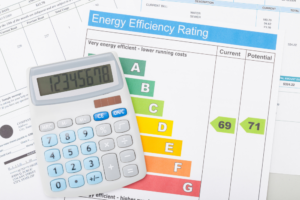
An energy assessment can help identify unnecessary consumption and prioritize improvements involving lighting, HVAC, controls, insulation, and other building systems.
If Tampa Electric serves the property, review its business energy audit options. Confirm the current scope, cost, and eligibility directly with the utility rather than relying on the original article’s starting-price estimate.
You can also engage an independent energy professional. Look for relevant qualifications, experience with comparable office buildings, and a clear description of the assessment and deliverables.
For medical offices, account for ventilation, humidity, refrigeration, clinical equipment, and any systems that must operate outside normal business hours.
2. Prioritize Improvements That Fit the Building
Start with documented maintenance and operating issues before committing to major equipment purchases. Electrical, mechanical, and building-envelope work should be evaluated and performed by appropriately qualified professionals.
Lighting and Controls

Consider suitable LED lighting, occupancy sensors, and daylight-responsive controls. Review fixture condition, operating hours, light levels, glare, and the needs of occupants.
Daylight-responsive controls adjust artificial lighting as natural light changes. Their usefulness depends on the layout, windows, fixtures, and proper commissioning.
Avoid assuming that lighting is every office building’s largest energy expense. The building’s actual use should guide the priorities.
HVAC Performance

Have an HVAC professional review equipment sizing, maintenance, controls, operating schedules, and zoning. Replacing equipment without understanding the building’s loads can miss opportunities or create performance problems.
Review ENERGY STAR’s light commercial heating and cooling resources when comparing eligible equipment. Confirm ventilation and humidity requirements before changing temperatures, airflow, or schedules.
Insulation and Air Leakage
Evaluate roof and wall insulation, windows, doors, and unwanted air leakage. Address water intrusion and moisture issues as part of the assessment.
Appropriate insulation and sealing can reduce unwanted heat transfer, but improvements must work with the building’s ventilation and moisture-control systems.
Energy Management Systems
An energy management system can monitor and control equipment such as HVAC, fans, pumps, and lighting. It can also help identify unusual operating patterns.
Results depend on system selection, programming, commissioning, maintenance, and staff training. Installing controls does not automatically improve indoor air quality or guarantee savings.
Check Tampa Electric’s current business programs for applicable assistance and eligibility requirements before purchasing equipment.
Solar and Backup Power

Solar may be appropriate for a roof, parking area, or suitable land. Evaluate roof condition, structural capacity, shading, electricity use, insurance, utility requirements, maintenance, and installed cost.
Standard grid-connected solar generally shuts down during a utility outage. Backup operation requires appropriately designed equipment, controls, and often battery storage. Have the proposed system’s capabilities confirmed rather than assuming it will keep the building operating during a storm.
For funding considerations, read the Florida office building energy incentives guide. Confirm current incentives and deadlines before including them in a project budget.
3. Coordinate With Tenants and Track Results
Explain planned changes and agree on operating schedules, after-hours needs, and procedures for reporting comfort or equipment problems.
- Share practical energy-saving guidance suited to each tenant’s operations.
- Identify who pays utility costs and who receives the benefit of improvements.
- Set measurable goals and review results against an established baseline.
- Account for weather, occupancy, and operating-hour changes when comparing bills.
- Recognize progress and adjust settings when performance falls short.
Broader sustainability efforts can include reusable kitchen supplies, water dispensers, and a smoke-free outdoor break area. Keep these separate from measured building-energy savings. Reusing printed paper may be unsuitable where confidential business or patient information is involved.
Compare Cost, Savings, and Ownership Plans
My recommendation is to rank projects by the problem they solve, total installed cost, expected savings, maintenance needs, and the time you expect to own the building.
Complete necessary maintenance, verify available incentives, and measure the results. A smaller improvement with a clear purpose may be more useful than a larger project built around optimistic savings estimates.
If you own an office or medical office property in Hillsborough, Pinellas, or Pasco County, contact John Milsaps to discuss how planned improvements fit your leasing, sale, or ownership goals.